
Ultrasound
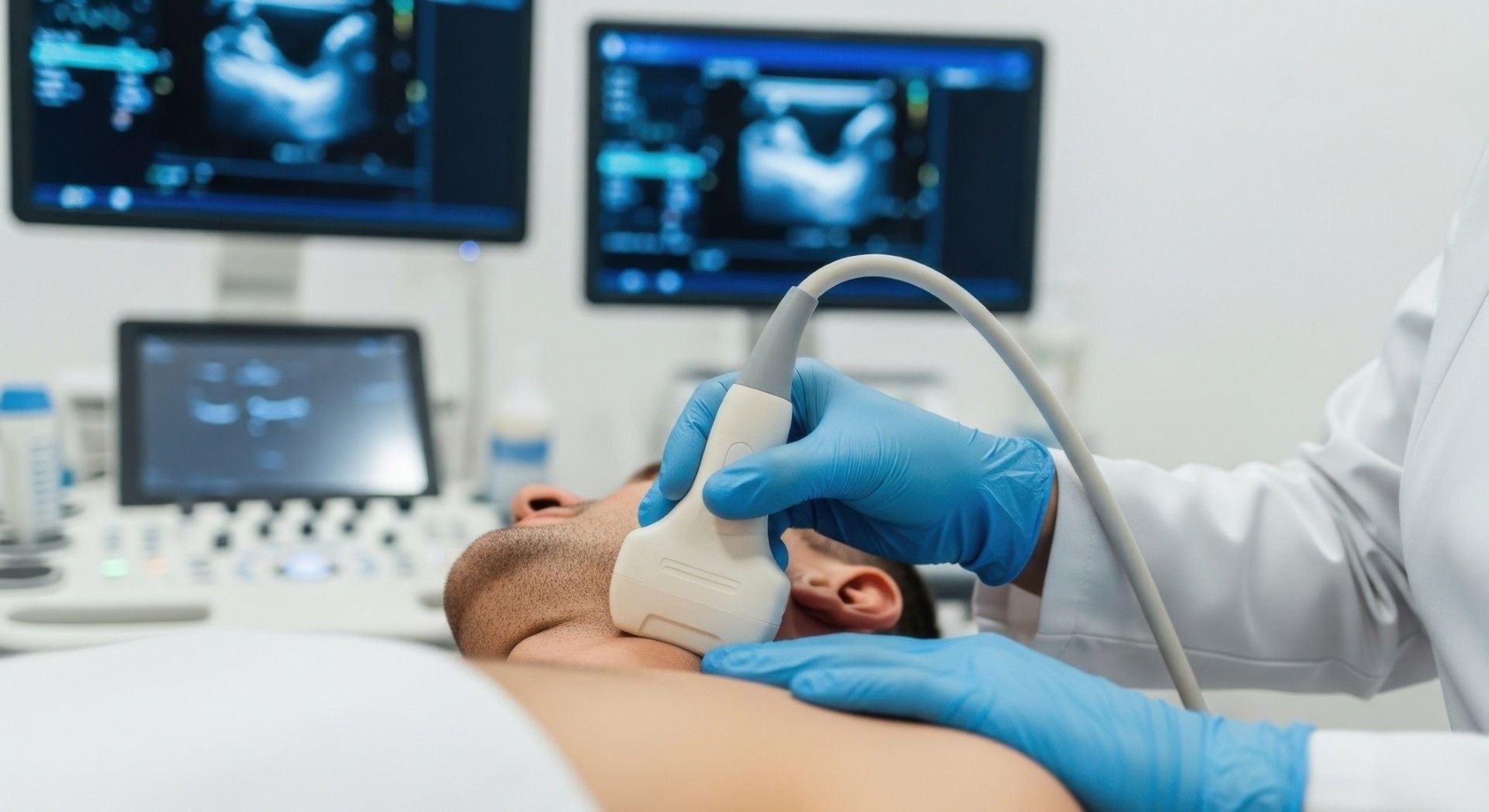
Ultrasound is safe, non-invasive, and radiation-free. It uses sound waves to generate an image.
Ultrasound Has Many Different Applications
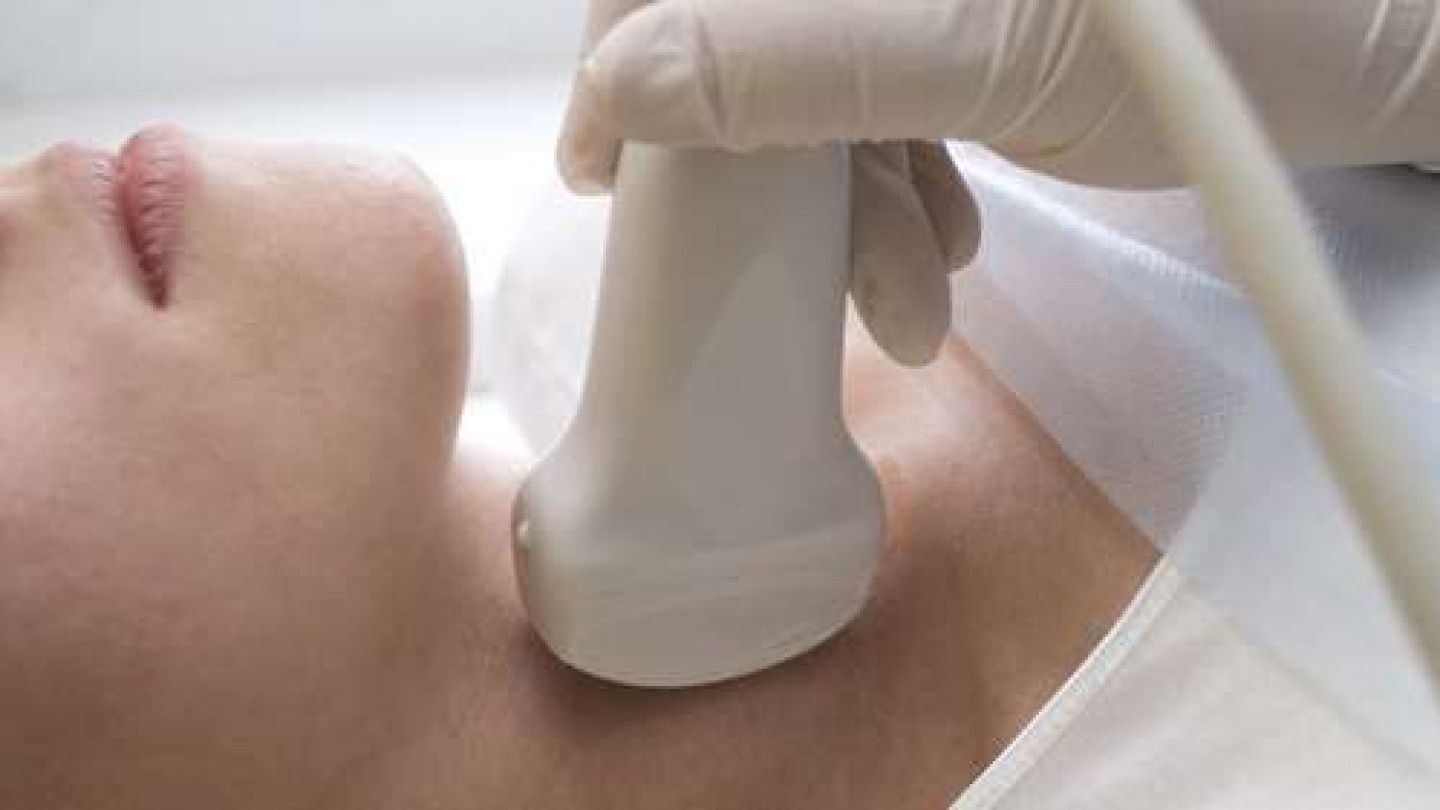
Ultrasound is helpful for evaluating the thyroid, pelvic and abdominal organs, evaluation of the gall bladder for gallstones. Doppler ultrasound is helpful in detecting stenoses of the carotid arteries (blockage in the blood vessels of the neck) as well as thromboses (blood clots) in the legs. It can help determine the source of pain, swelling or infection in many parts of the body. Ultrasound is also used during pregnancy to help monitor the growth and development of the fetus during the first trimester.
Ultrasound FAQ
Ultrasound is a non-invasive test that uses sound waves to obtain an image. Commonly used to evaluate the thyroid, fetal development during the first trimester, abdomen, and pelvic anatomy. Also, can be used to identify a wide variety of changing conditions, which enables your physician to make a quick and accurate diagnosis.
What is Ultrasound?
The exam times range from approximately 30-60 minutes. We do our best to be as efficient as possible while obtaining all the images the physician needs to make a diagnosis. The sonographer will explain the procedure and take a brief history before beginning the exam. Occasionally, we may ask you to hold your breath for a moment, or turn onto your side, but ultrasound should never be painful.
How long will the exam take and what will it be like?
The radiologist will report the findings to the referring physician within 24 hours. Your referring physician will then discuss the ultrasound results with you.
When will I know my results?
Ultrasound is a widely available imaging method. It is extremely safe and non-invasive. Standard diagnostic ultrasound has no known harmful effects on humans. No radiation is used during ultrasound.
What are the benefits vs. risks?
Ultrasound waves can be disrupted by air and gas that may be present in the body. To help avoid this we ask you follow the prep that was given to you at the time of scheduling. You can also click this link (provide link) to see what prep you should follow for each test. We understand some preps might be easy to follow, we ask that you do your best and we will do the same!
What are the limitations of general Ultrasound?
Rheumatoid Arthritis Ultrasound / Musculoskeletal Ultrasound
Rheumatoid Arthritis (RA US) is used to evaluate development of erosions for early diagnosis of Rheumatoid Arthritis which allows treatment to begin at an earlier stage of development. Musculoskeletal Ultrasound is used to examine tendons and ligaments.
Ultrasound Exam Preparations
- NOTHING to eat or drink for 8 hours prior to exam.
- You may take medication with sips of water.
Ultrasound Abdomen, Ltd.: GB, Liver, Pancreas
Ultrasound Abdomen, Complete
- Drink four glasses of clear liquids (8 ounces each for a total of 32 ounces)
- Finish drinking the clear liquids 1 hr before your scheduled appointment.
- DO NOT EMPTY YOUR BLADDER.
Ultrasound OB 1st Trimester (<14 weeks)
- Drink four glasses of clear liquids (8 ounces each for a total of 32 ounces)
- Finish drinking the clear liquids 1 hour before scheduled appointment.
- DO NOT EMPTY YOUR BLADDER.
Ultrasound OB 1st Trimester (<14 weeks)
- Nothing to eat or drink 6 hours prior to exam.
- You may take medications with sips of water.
Ultrasound Aorta